
Pedagogical Partnerships for Inclusive Teaching
 Gregory K Davis, Bryn Mawr College
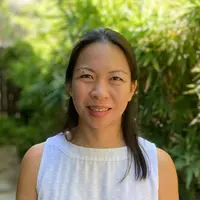 Jane Liu, Pomona College
 M. Geneva Murray, University of Oklahoma-Norman Campus
 Ulli Nollert, University of Oklahoma-Norman Campus
 Dylan Worcester, Pomona College
This session will describe three distinct models for pedagogical partnerships for inclusive teaching at Bryn Mawr College, Pomona College, and the University of Oklahoma. Pedagogical partnerships are a form of student-faculty interaction in which the student voice is incorporated into faculty professional development in which students help faculty catalyze changes in their teaching towards more inclusive models of practice.
Catalyzed by a multi-institutional grant our learning community formed a pedagogical partnerships group which works on our respective campuses to implement the student voice (from the three voices framework: self, peer, student) into faculty teaching practice.
Cook-Sather, Bahti, and Ntem's (2019) Pedagogical Partnerships: A How-To Guide for Faculty, Students, and Academic Developers in Higher Education provides excellent guidance on how to create a pedagogical partnership; however, each program has to be appropriately tailored in recognition of the institutional size, cultural dynamics, and other unique features, so that the program can be successful. On our campuses, this has been operationalized by three programs: Community Advocates for Teaching and Learning in STEM (CATaLYST) at Bryn Mawr College, Developing Understanding and Engagement Together (DUET) Fellow Program at the University of Oklahoma, and Faculty DEI Pairs at Pomona College.
This session aims to discuss how our institutions work together to advance inclusive excellence, how our pedagogical partnerships are similar, how they differ, and how they have been successful, and what continued challenges they hope to address.
Participants will (1) learn about the three voices framework (2) learn about the key features of pedagogical partnerships (3) consider why different choices were made in the structuring of our pedagogical partnership programs (4) be informed about the strengths, weaknesses, challenges, and opportunities associated with each of our models, (5) be asked reflective questions and (6) will leave with an understanding of how they might implement a pedagogical partnership.